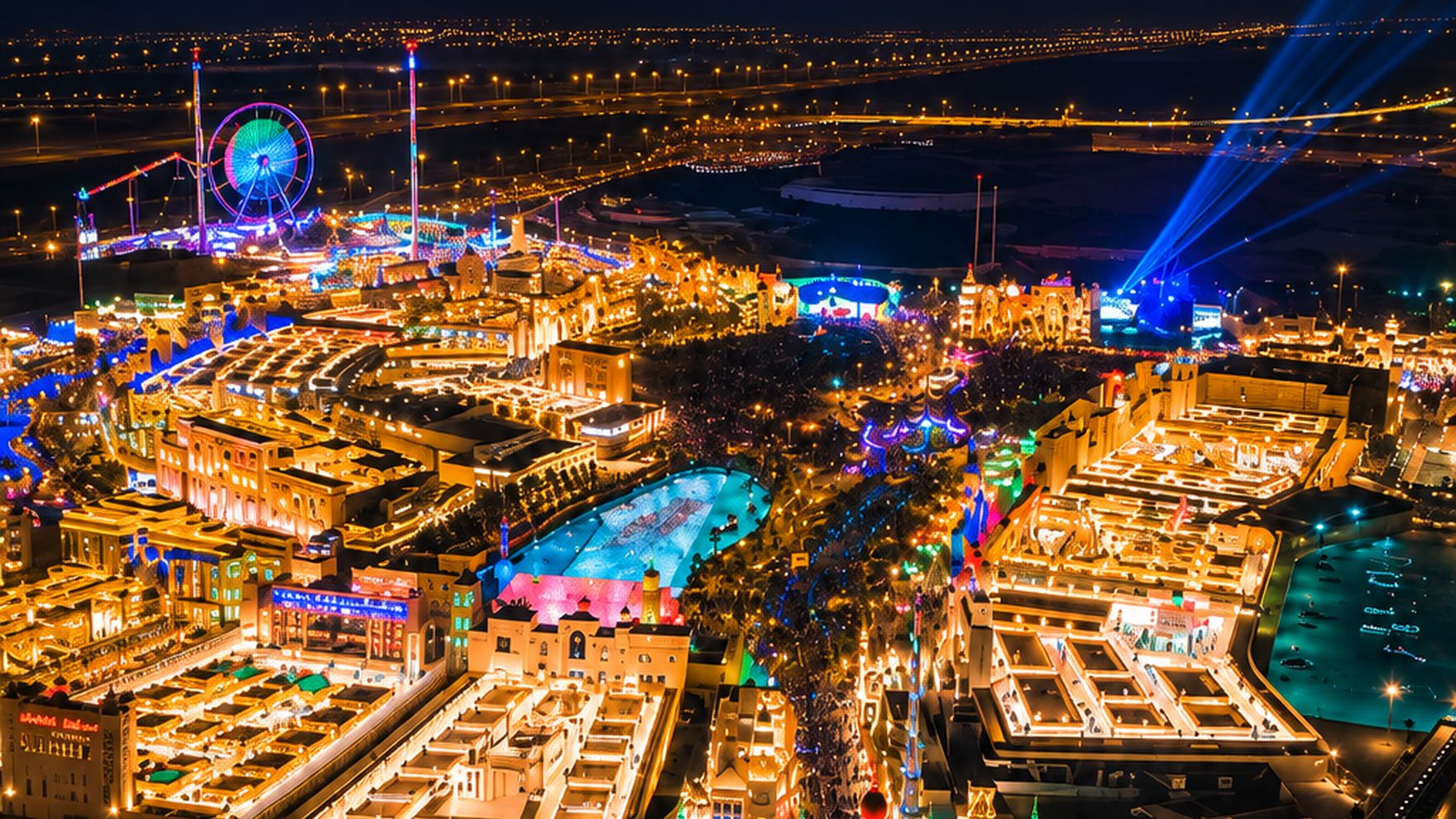
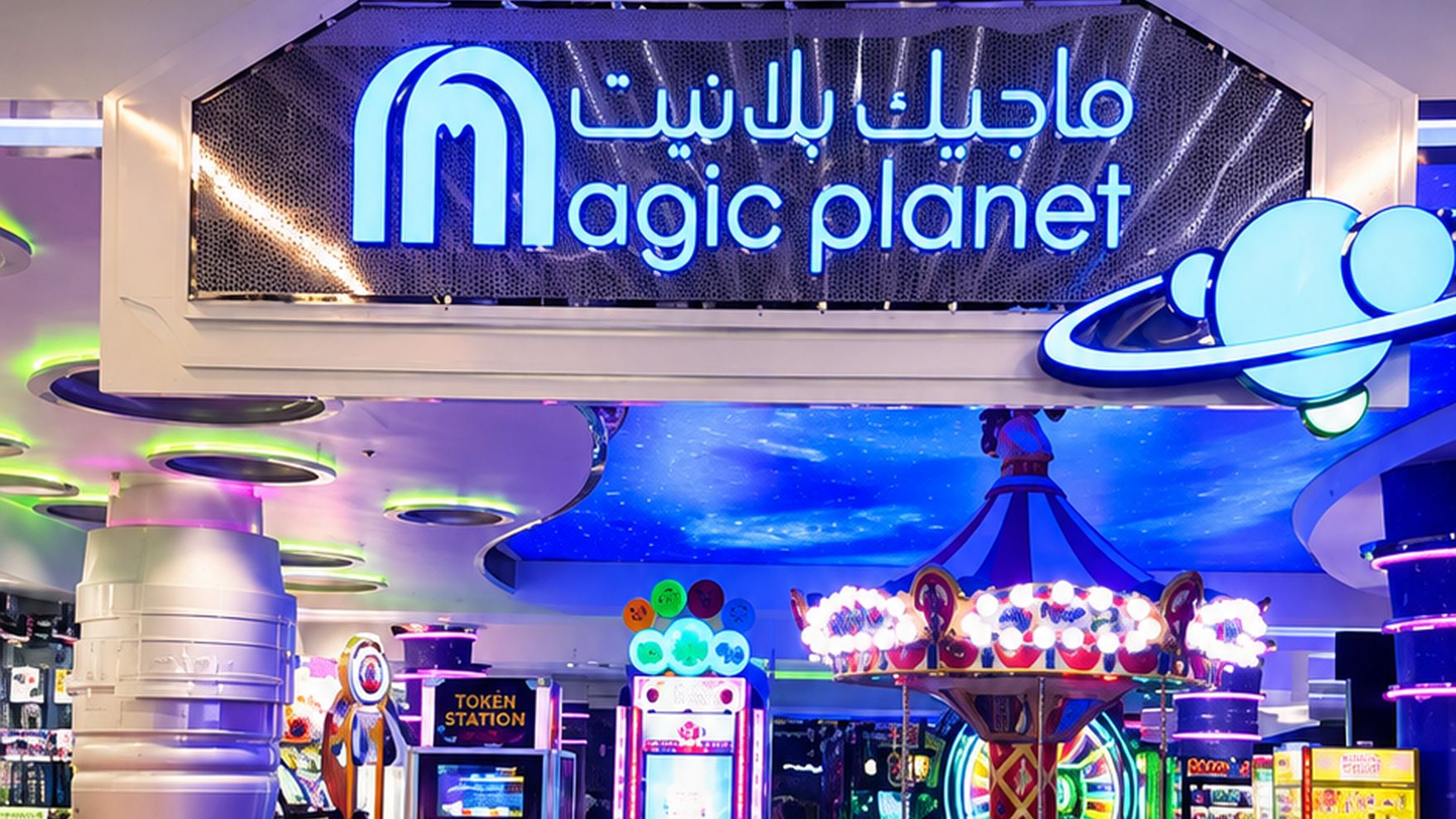
In a mall based leisure destination, the escalator moves more people in a day than the headline attraction moves in a week. It is also, almost always, managed by a different team under a different contract.
The blind spot is organisational, not technical
Attractions belong to operations. Elevators and escalators usually belong to facilities, or to the landlord, or to a maintenance contractor with a service agreement. Nobody is wrong, and that is precisely the problem: the asset sits between two responsibility boundaries, and safety programmes tend to stop at the boundary.
The guest makes no such distinction. From their point of view the escalator to the trampoline park is part of the trampoline park.
What an independent inspection covers
- Elevators: suspension, brakes, overspeed governor, door protection, emergency communication
- Escalators and moving walkways: step and pallet condition, combs, handrail synchronisation, stopping distance
- Comb and skirt clearances, where the majority of escalator injuries actually originate
- Window cradles and facade access equipment, frequently forgotten entirely
Why the maintenance contract is not the inspection
A service contractor maintains the equipment and has a commercial interest in the outcome of its own work. An independent inspection body has none. That separation is the entire point of third party examination, and it is the same logic that applies to rides. Maintenance and independent verification are complementary, not interchangeable.
The escalator is the most used moving machine in the building and the least represented in the safety file.
A practical starting point
Build one asset register that includes vertical transportation alongside the attractions, with the same fields: standard applied, last examination, findings, closure status, next due date. The moment those assets appear in the same table as the rides, the gap closes on its own.
Standards referencedالمعايير المذكورة
EN 13814EN 1176ASTM F24
Key takeawaysالخلاصة
- Vertical transportation usually sits outside the attraction safety programme
- Comb and skirt clearances are where most escalator injuries begin
- A maintenance contract is not an independent examination
- One asset register closes the gap faster than a new procedure
This article is general technical guidance for the entertainment and leisure industry. It is not a substitute for an assessment of your own assets. For a position on your specific operation, talk to our engineering team.هذا المقال إرشاد تقني عام لقطاع الترفيه، وليس بديلًا عن تقييم أصولكم. للحصول على موقف يخص عملياتكم تحديدًا، تواصلوا مع فريقنا الهندسي.